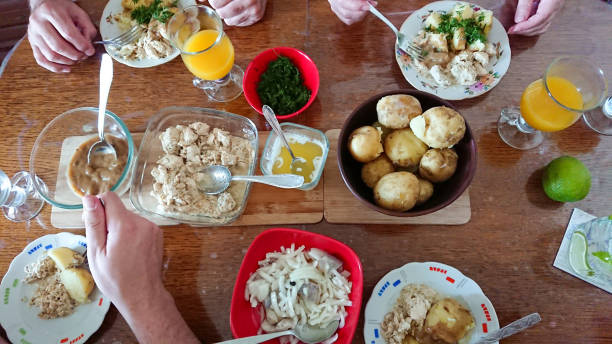
I’ve been thinking about this for a while, usually while standing in my kitchen at 9:30 pm, tired, hungry, and still somehow convinced that the dal I’m cooking will taste better than anything I could order online. And weirdly… it often does. Not always. Sometimes I mess up the salt or burn the garlic. But still, homemade food just hits different.
There’s something about it that restaurant food, no matter how fancy or viral on Instagram, doesn’t fully replace. And no, it’s not just nostalgia talking. Or maybe it is. Hard to say. But let’s talk about why homemade food actually tastes better, beyond the emotional stuff.
It’s Not Just Taste, It’s Memory Doing Half the Work
I read somewhere that taste and smell are directly linked to memory, and honestly, that explains a lot. When I eat food cooked at home, my brain isn’t just tasting spices. It’s remembering random things. Sitting on the floor as a kid, mom yelling from the kitchen, pressure cooker whistling like it’s angry. That stuff sneaks into the bite.
Restaurants can copy recipes, but they can’t copy your memories. Even if the same rajma is technically better cooked outside, your brain is biased. It’s like when an old song sounds better even if the audio quality is bad. Same logic. Emotional seasoning.
And yeah, that’s probably why food vloggers keep saying “just like maa ke haath ka khana” even when it’s clearly not.
You Control Everything, Even the Bad Decisions
At home, you decide how much oil goes in. Sometimes that’s a good thing. Sometimes… not so much. But control matters. You add salt slowly, you taste in between, you adjust. Restaurants don’t do that for you personally. They cook in bulk. Your dish is part of a system, not a moment.
Also, let’s be honest, restaurants optimize for profit. That means more sugar, more fat, more salt. Your tongue might like it for five minutes, but after that, you feel heavy. Homemade food doesn’t usually attack your stomach like that.
There’s also a weird stat I came across on some nutrition forum, not even a big study, saying people perceive food as tastier when they’ve participated in cooking it. Even chopping onions counts. I don’t know how accurate it is, but it makes sense. When you work for something, your brain rewards you. Like eating your own grown tomatoes versus buying them. Same tomato, different feeling.
Freshness Is Underrated Until You Lose It
Most people don’t realize how much time food spends traveling before it reaches a restaurant plate. Vegetables sit in storage. Meat gets frozen, thawed, refrozen sometimes. Sauces are prepped hours earlier. At home, especially if you’re cooking simple food, things go straight from pan to plate.
Freshness changes texture more than flavor, but texture affects taste a lot. Soft rotis fresh off the tawa versus reheated ones from a delivery box. Not even a fair fight.
I once ordered butter chicken from a popular place that Twitter absolutely loves. Tons of hype. When it arrived, it tasted fine, but also… tired. Like it had lived a long life before reaching me. Meanwhile, the simple sabzi I made the next day tasted brighter. Less complex, but alive.
The Comfort Factor No One Talks About Enough
Homemade food is safe food. You know what went in. You trust it. That mental comfort makes your body relax, and relaxed people enjoy food more. Sounds fake, but it’s real.
There’s also no performance pressure. You’re not trying to justify the money you spent. You’re not pretending to like something because your friend chose the place. You’re just eating. Maybe standing near the stove. Maybe scrolling reels while chewing. No judgment.
I’ve noticed on social media lately, especially on Instagram reels and Reddit threads, people are openly saying they’re tired of “overrated food places.” Too much drama, too little soul. A lot of comments say things like “ghar ka khana >>> anything.” That sentiment wasn’t this loud a few years ago.
Imperfection Is the Secret Ingredient
This might sound strange, but homemade food is allowed to be imperfect. Slightly overcooked rice. Extra spicy curry. Unevenly chopped vegetables. Those flaws make it personal.
Restaurant food aims for consistency. Every plate must taste the same. But consistency can also be boring. At home, food changes daily based on mood, weather, and energy level. That randomness keeps it interesting.
I’ve messed up recipes so many times. Once I added sugar instead of salt. Don’t ask how. It was bad. But the next time, when it turned out right, it felt amazing. That satisfaction adds to the taste.
Time, Attention, and Care (Yeah, It Matters)
Cooking at home usually involves some level of care, even if you’re rushing. You stir, you wait, you check. Attention changes outcomes. It’s like talking to someone who’s actually listening versus someone scrolling their phone. Same words, different impact.
There’s also the idea that food cooked for yourself or loved ones carries intention. Sounds spiritual, but honestly, it’s probably just mindfulness. When you’re present, things turn out better. Even food.
And no, I’m not saying restaurant chefs don’t care. They do. But they’re cooking for hundreds. You’re cooking for you.
So Yeah, Homemade Food Wins (Most Days)
Is homemade food always better? No. Some days I’d trade my entire kitchen for good street food. But on average, homemade food feels warmer, lighter, and more satisfying.
It’s not just about ingredients. It’s about control, memory, freshness, comfort, and a little bit of emotional bias. And maybe that’s okay. Food isn’t meant to be judged like a competition. It’s meant to make you feel something.
And most days, homemade food makes you feel at home. Simple as that.