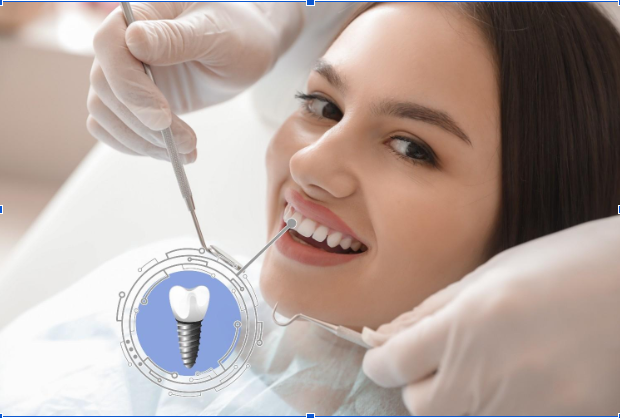
For many people, visiting the dentist is something that only happens when a problem becomes impossible to ignore. A sudden toothache, a broken filling, or a chipped tooth often prompts an appointment, yet this reactive approach can overlook the real purpose of contemporary dental care. Today, dentistry is centred on prevention, education, and helping patients protect their natural teeth for as long as possible.
Understanding how modern dental care works allows patients to make informed choices, reduce the risk of future problems, and approach appointments with greater confidence.
Choosing a Practice That Supports Long-Term Health
Finding a dental practice should involve more than selecting the nearest location or the first available appointment. The quality of care depends on a combination of clinical expertise, communication, preventive philosophy, and the ability to build lasting relationships with patients.
When selecting a dental practice West Hampstead, it is helpful to consider how the practice approaches patient education. Dentists who explain diagnoses clearly, discuss alternative treatment options, and encourage preventive care often create a more positive experience than those focused solely on treating immediate concerns.
Modern practices also invest in digital technology, ongoing professional training, and patient comfort. These factors contribute to more accurate diagnosis and smoother treatment journeys while helping patients feel informed throughout every stage of care.
Prevention Is the Most Effective Treatment
Preventive dentistry remains one of the most valuable aspects of oral healthcare. Many dental conditions begin quietly, causing little or no discomfort until they have progressed significantly.
Routine examinations provide opportunities to identify:
- Early tooth decay
- Gum disease
- Worn restorations
- Changes in bite patterns
- Signs of oral cancer
By detecting concerns at an early stage, dentists can often recommend simpler and less invasive treatments. Preventive appointments also allow patients to receive personalised advice on brushing techniques, dietary choices, and lifestyle habits that support stronger oral health.
Regular attendance can significantly reduce the likelihood of requiring extensive restorative treatment later.
Understanding Tooth Replacement in Modern Dentistry
Missing teeth can influence daily life in several ways, affecting speech, chewing efficiency, appearance, and confidence. They may also contribute to gradual changes in jawbone structure if left untreated for long periods.
One option frequently discussed today is dental implants in the UK, which replace missing tooth roots before supporting restorations such as crowns or bridges. Their design allows them to integrate with the jawbone, creating a stable and natural-feeling replacement for suitable patients.
Interest in dental implants in the UK continues to grow because they provide a fixed solution rather than a removable appliance. However, successful treatment depends on careful assessment, healthy gums, sufficient bone volume, and a commitment to maintaining excellent oral hygiene following placement.
Each patient’s situation is different, making comprehensive consultation an essential part of treatment planning.
Technology Is Reshaping the Dental Experience
Advances in digital dentistry have transformed both diagnosis and treatment planning over recent years.
Digital scanners have replaced conventional impressions in many situations, making procedures more comfortable while improving precision. High-quality imaging provides detailed views of teeth, bone, and surrounding structures, allowing dentists to identify concerns that may previously have gone unnoticed.
Digital treatment planning can also improve communication between dentists, laboratories, and patients. Visual representations help explain treatment recommendations more clearly, enabling patients to understand expected outcomes before procedures begin.
Although technology supports better clinical care, it remains most effective when combined with professional experience and careful judgement.
Why Communication Builds Patient Confidence
Technical expertise is only one element of successful dentistry. Effective communication helps patients feel informed, respected, and involved in decisions affecting their oral health.
An experienced clinician should explain:
- The current condition of your teeth and gums
- Available treatment options
- Benefits and potential limitations
- Expected maintenance requirements
- Preventive advice for the future
When patients understand the reasons behind recommendations, they are better equipped to make choices that suit their personal circumstances and long-term goals.
Open communication also encourages questions, reducing uncertainty and helping nervous patients feel more comfortable throughout treatment.
Cosmetic Dentistry Starts With Healthy Teeth
The popularity of cosmetic dental treatments has increased significantly in recent years. Many people wish to improve the appearance of their smiles through whitening, veneers, bonding, or orthodontic treatment.
Responsible cosmetic dentistry always begins by ensuring that underlying oral health is stable. Healthy gums, strong tooth structure, and good bite function provide the foundation for successful aesthetic improvements.
Natural-looking results are often achieved through conservative treatment that preserves as much healthy tooth tissue as possible rather than relying on extensive intervention.
An attractive smile should not only look good but also function comfortably for many years.
Everyday Habits That Protect Your Smile
Professional dental care works most effectively when supported by consistent habits at home.
Simple daily routines include brushing twice each day with fluoride toothpaste, cleaning between teeth, reducing sugary snacks, and drinking plenty of water. Replacing worn toothbrushes regularly and attending recommended check-ups also contribute to long-term oral health.
Diet plays an equally important role. Limiting frequent exposure to acidic drinks and sugary foods helps protect enamel while reducing the likelihood of developing tooth decay.
Small improvements maintained consistently often produce the greatest long-term benefits.
Supporting Patients Who Feel Anxious
Dental anxiety remains a common reason why many people postpone treatment. Unfortunately, delaying appointments often allows relatively minor issues to become more complicated over time.
Choosing a Dental Practice West Hampstead who understands nervous patients can make a significant difference. Practices that prioritise gentle communication, explain procedures carefully, and allow patients to progress at a comfortable pace often create a far more positive experience.
Modern techniques, improved anaesthesia, and patient-centred care have helped transform dentistry into a much more comfortable experience than many people remember from earlier years.
Building trust gradually encourages regular attendance and supports better long-term oral health.
Looking Ahead Rather Than Reacting
The strongest dental outcomes rarely result from emergency appointments alone. Instead, they develop through ongoing preventive care, consistent professional guidance, and healthy daily habits.
Establishing a long-term relationship with a trusted dental team allows subtle changes to be identified early, treatment plans to evolve as needed, and personalised advice to be tailored to each stage of life.
Patients who view oral healthcare as an ongoing partnership are often better able to maintain healthy, functional, and confident smiles throughout adulthood.
Conclusion
Protecting your oral health requires informed choices, regular professional care, and commitment to consistent daily habits. Preventive dentistry, clear communication, and personalised treatment planning all contribute to healthier teeth and greater confidence over the long term. Perfect Smile Dental – Acton is committed to supporting patients with high-quality care, modern techniques, and a patient-focused approach that encourages lasting oral wellbeing.